





















Mumbai, June 17: The 19th Mumbai International Film Festival is turning the spotlight on India’s Northeast with a dedicated section of short fiction and documentary films that capture the region’s traditions, history and changing landscapes. Running from June 15 to 21, MIFF 2026 is screening stories made in Khasi, Nagamese, Ao, Kokborok, Bhutia, Assamese, Manipuri and Mizo to introduce audiences to the heritage, identity and resilience that shape life in the eight states.
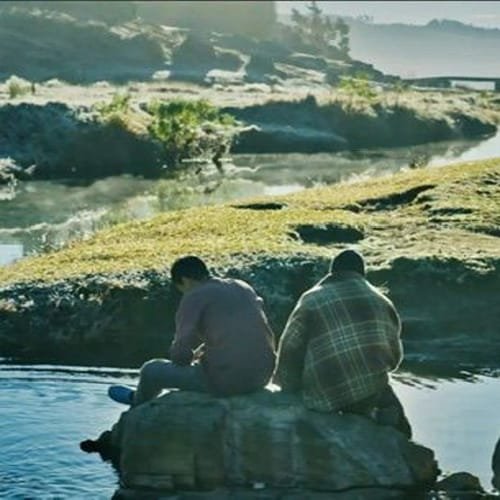
From Khasi Hills to Manipur’s floating grasslands, the curated selection reveals the Northeast through intimate portraits and cultural records. Sankirang L. Khongwir’s Khasi short fiction KA PATENG follows three estranged siblings reunited after their mother’s death, each carrying city memories, childhood wounds and a secret about motherhood. Sanjib Parasar and Nilakshi Medhi’s documentary LENTINA AO: A LIGHT ON THE EASTERN HORIZON traces Naga social worker Lentina Ao’s journey from a midwife in the 1950s Naga Hills to decades of service against injustice and prejudice.

Sujit Debbarma and Pranab Jyoti Deka’s MY LAST FACE: FLAT-NOSE explores the Reang community of Tripura through its traditional attire and ornaments, showing how garments carry stories of beauty, spirituality and ancestral knowledge. Samten Bhutia’s 90-minute Sikkimese documentary SHANGRILA – THE HIDDEN PARADISE moves beyond Kanchenjunga’s famous views to uncover Sikkim’s lesser-known history, culture and geography.
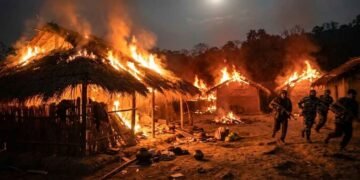
Samiran Deka’s Assamese documentary TEENS OF 1942 honors teenage freedom fighters Bholanath Nagaria and Radha Bora, reconstructing their memories to preserve their courage for future generations. Napoleon RZ Thanga’s nine-minute Mizo short THE HEALING PRIEST draws on the ancient Daibawl ritual to reflect on the tension between traditional healing and modern anxieties. Akanksha Sood Singh’s Manipuri and English documentary MANIPUR BROW ANTLERED DEER follows the endangered Sangai deer across Manipur’s floating grasslands, linking wildlife survival to the region’s ethnic and political realities.
The section presents the Northeast not as a single voice but as a mosaic of languages, beliefs and landscapes in transition. With films rooted in local stories and made for a national audience, MIFF 2026 positions the region’s cinema as a vital thread in India’s larger cultural tapestry.