






















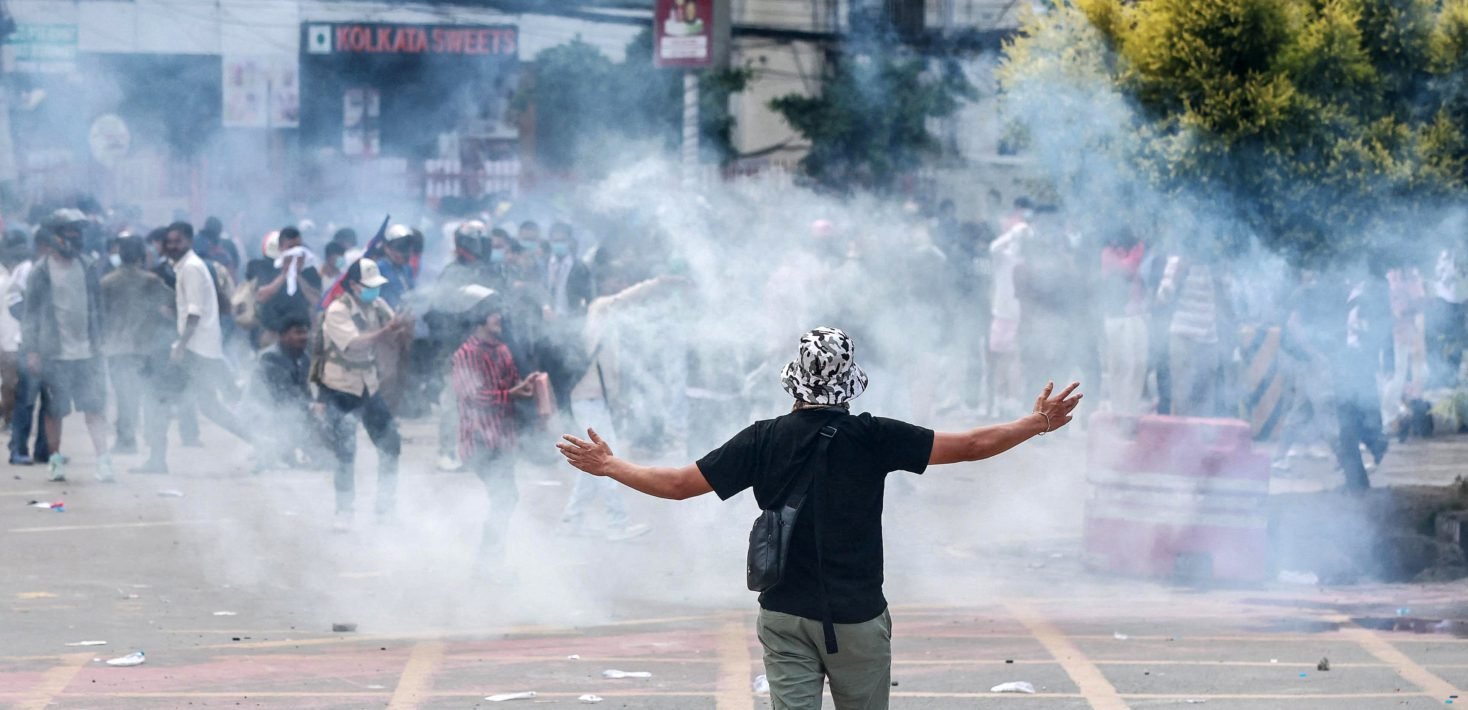
Kathmandu (Nepal), Sep 9: At least 19 people, including a 12-year-old child, have lost their lives in Nepal’s deadliest protests in two decades. The violence erupted as security forces clashed with demonstrators across multiple districts, protesting against the government’s ban on social media platforms and alleged corruption.
The protests, which drew thousands of youths, turned violent when demonstrators attempted to enter the Parliament building, setting fire to its entrance. Police responded with water cannons, tear gas, and live ammunition, resulting in widespread injuries and fatalities. Seventeen people were killed in Kathmandu alone, while two deaths were recorded in Sunsari district.
Government Response
In response to the escalating violence, the Nepal government-imposed curfews across several districts, including Kathmandu, Rupandehi, and Sunsari. An investigation committee has been formed to examine the causes of the unrest and submit a report within 15 days. The National Human Rights Commission (NHRC) has condemned the use of excessive force, emphasizing the right to peaceful dissent guaranteed by the Constitution and international human rights law.
International Reaction
The United Nations has expressed deep concern over the violence, urging all parties to exercise restraint and seek dialogue. UN Resident Coordinator Hanaa Singer-Hamdy extended condolences to the families of the deceased and called for an environment where citizens can safely exercise their democratic rights. India has also voiced its concern, advising Indian nationals in Nepal to exercise caution and follow local guidelines.

Protesters’ Demands
The protests, sparked by public outrage over corruption and the social media ban, have snowballed into a broader movement demanding accountability and good governance. Protesters, mostly students and youths, are calling for the resignation of Prime Minister KP Sharma Oli, whom they accuse of authoritarianism and neglecting the nation’s interests.
The situation remains tense, with many demonstrators vowing to continue their protests until their demands are met. The government faces a challenge in balancing the need to maintain law and order with the imperative of respecting citizens’ rights to peaceful assembly and free expression.
(With Agency Inputs)