




















By Nava Thakuria
Nepal has returned to normalcy after two days of intense political unrest, with Sushila Karki, the country’s first woman Chief Justice of the Supreme Court, sworn in as the interim Prime Minister. President Ramchandra Paudel administered the oath in the presence of dignitaries on Sept 12. Karki, an alumna of Banaras Hindu University in India, has been tasked with conducting national elections within six months.
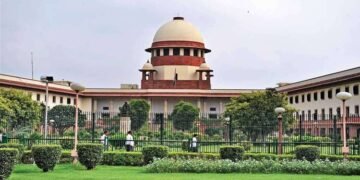
The protests, sparked by a government ban on social media platforms, escalated into violent clashes between demonstrators and police, resulting in over 50 deaths and 1,000 injuries. The situation worsened as protesters targeted government buildings, including the Parliament and Supreme Court, and political party offices. Anti-social elements also facilitated the escape of numerous jail inmates. The Army was eventually deployed, and the situation came under control.
In the aftermath, Interior Minister Ramesh Lekhak resigned, accepting moral responsibility for the deaths of 19 unarmed protesters, mostly youth agitators, in police firing. Former Prime Minister KP Sharma Oli, who had resigned, is understood to be in Nepal, while other ministers have fled the country.

As the country navigates this tumultuous period, Karki’s interim government faces significant challenges. Indian Prime Minister Narendra Modi expressed concern over the turmoil in Nepal, condoling the loss of young lives and reaffirming India’s commitment to Nepal’s peace, progress, and prosperity. With her new role, Karki is expected to lead Nepal towards stability and fresh elections.